
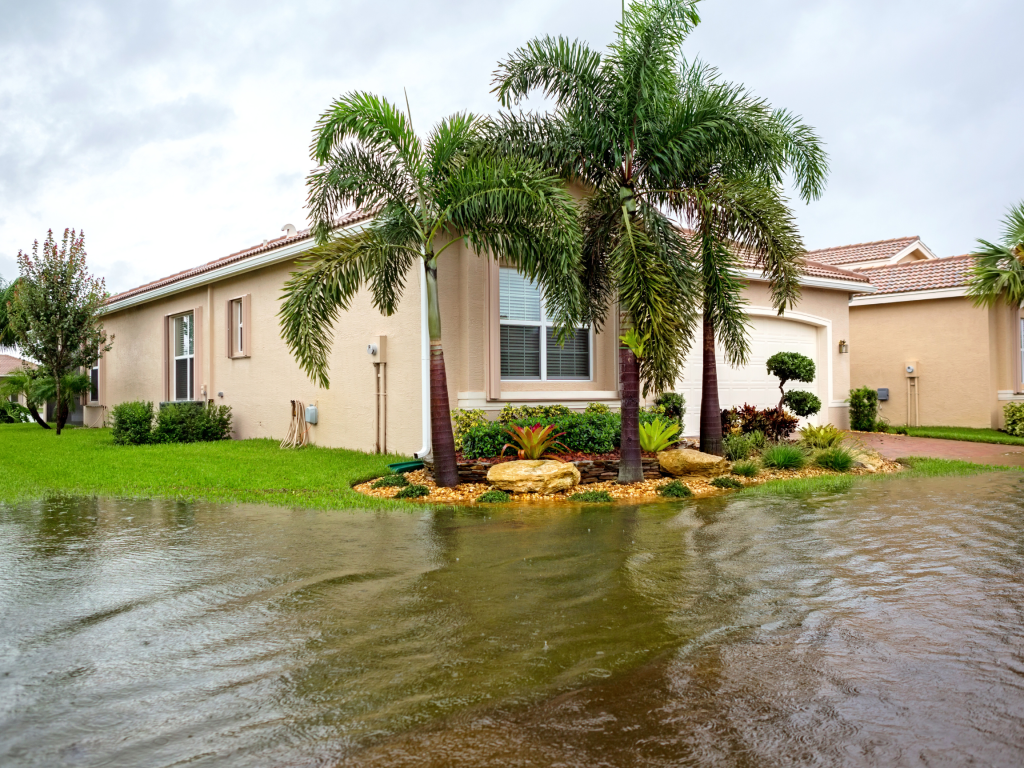
Carlisle, Arkansas, like many other regions, is no stranger to the challenges posed by water damage, especially in the face of flooding. Whether caused by heavy rainfall, burst pipes, or other water-related incidents, the aftermath of flooding can be overwhelming. However, with swift water restoration techniques and proactive measures, residents can navigate the floodwaters and achieve complete recovery. In this article, we’ll explore the Water Damage Restore`s restoration techniques and strategies for effectively restoring water damage Carlisle AR, ensuring a smooth recovery process.
Understanding the Impact of Water Damage
Water damage can wreak havoc on homes and businesses alike, causing structural damage, mold growth, and health hazards. In Carlisle, AR, where flooding is a common occurrence, the risks associated with water damage are heightened. From soaked carpets and warped flooring to compromised electrical systems, the effects of water damage can be extensive and costly if not addressed promptly.
Swift Water Restoration Techniques
Assess the Damage: The first step in water damage restoration Carlisle AR is to assess the extent of the damage. Conduct a thorough inspection of your property to identify areas affected by flooding, including walls, floors, ceilings, and belongings. Take photographs or videos to document the damage for insurance purposes.
Safety First: Before beginning any restoration work, prioritize safety. Turn off electricity and gas to prevent electrical hazards and gas leaks. Wear protective gear such as gloves, masks, and boots to avoid exposure to contaminants and mold spores present in floodwaters.
Remove Standing Water: Swiftly remove standing water from your property using pumps, wet/dry vacuums, or buckets. The longer water remains stagnant, the higher the risk of further damage and mold growth. Open doors and windows to facilitate ventilation and aid in the drying process.
Dry and Dehumidify: Thoroughly dry affected areas using fans, dehumidifiers, and air movers. Focus on areas prone to moisture buildup, such as basements, crawl spaces, and attics. Monitor humidity levels regularly and ensure proper ventilation to expedite the drying process.
Clean and Disinfect: Clean and disinfect all surfaces, furniture, and belongings that came into contact with floodwater. Use a mixture of detergent and water to remove dirt and debris, followed by a disinfectant to kill bacteria and prevent mold growth. Dispose of contaminated materials safely and according to local regulations.
Repair and Restore: Once the property is dry and disinfected, begin repairing and restoring any damaged areas. Replace waterlogged drywall, insulation, and flooring as needed. Seal cracks and gaps to prevent future water intrusion, and consider installing waterproofing measures such as sump pumps and French drains for added protection.
Professional Assistance: In cases of severe water damage or if you’re unsure of how to proceed, seek professional assistance from water damage restoration experts. Experienced professionals have the knowledge, skills, and equipment necessary to handle complex restoration projects and ensure thorough cleanup and recovery.
Maintain Gutters and Downspouts: Keep gutters and downspouts clear of debris to ensure proper drainage and prevent water from pooling around your property’s foundation. Regular maintenance of gutters and downspouts can help mitigate the risk of water damage during heavy rainfall.
Elevate Critical Systems: Elevate critical systems such as HVAC units, water heaters, and electrical panels to reduce the risk of damage in the event of a flood. Positioning these systems above potential flood levels can help minimize the impact of water intrusion on essential utilities.
Seal Vulnerable Entry Points: Seal vulnerable entry points such as doors, windows, and basement openings to prevent water infiltration during floods. Install weatherstripping, door sweeps, and flood barriers to create a watertight seal and protect your property against water damage.
Water Damage Restore Carlisle AR
Water damage restoration in Carlisle, AR, requires swift action, careful planning, and proactive measures to achieve complete recovery. By following Water Damage Restore outlined techniques and implementing proactive strategies, residents can effectively navigate the floodwaters and safeguard their homes and businesses against the devastating effects of water damage. Remember, when it comes to water damage, time is of the essence—act quickly to minimize the impact and restore your property to its pre-flood condition. Contact Water Damage Restore at 870-669-0499 for more details.
Frequently Asked Questions About Water Damage Restoration Techniques for Complete Recovery
What causes water damage?
Water damage can be caused by various factors, including burst pipes, plumbing leaks, flooding from natural disasters, sewer backups, appliance malfunctions, and roof leaks.
Why is it important to address water damage promptly?
Addressing water damage promptly is crucial to prevent further structural damage, mold growth, and potential health hazards. The longer water sits, the greater the extent of damage and the higher the risk of secondary issues.
What are the key steps in water damage restoration?
The key steps in water damage restoration typically include assessment of the damage, water extraction, drying and dehumidification, cleaning and disinfection, repair and restoration of damaged areas, and monitoring to ensure complete recovery.
How long does the water damage restoration process take?
The duration of the water damage restoration process depends on various factors, including the extent of the damage, the type of water involved (clean, gray, or black), and the size of the affected area. Restoration can take anywhere from a few days to several weeks.
How do professionals extract water from a property?
Professionals use specialized equipment such as pumps, wet/dry vacuums, and industrial-grade dehumidifiers to extract water from a property efficiently. They also employ moisture meters and infrared cameras to identify hidden pockets of moisture for thorough extraction.
What measures are taken to prevent mold growth during water damage restoration?
To prevent mold growth, professionals ensure thorough drying and dehumidification of the affected areas. They also apply antimicrobial treatments to inhibit mold and bacterial growth and may use air scrubbers to filter airborne contaminants.